Currently browsing category

Books, Page 4

Books

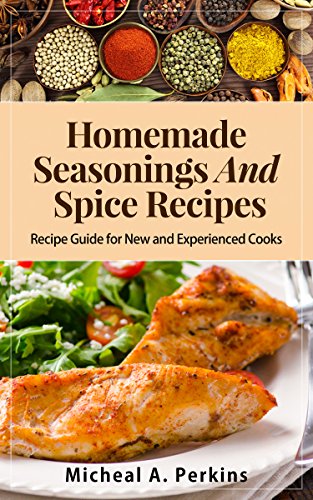
HOMEMADE SEASONINGS AND SPICE RECIPES: Over 150 Recipes to Spice up Your Meals

Homemade Seasonings And Spice Recipes is a well researched collection of seasoning and spice to add flavor to your meals. Over 150 special ingredients you can make at home under 30 minutes at a low budget. Transform your normal meal into something that seems tasty and refreshingly new! this recipes guide will give you everything on how to make your own seasoning and spice to ad flavour to your food.

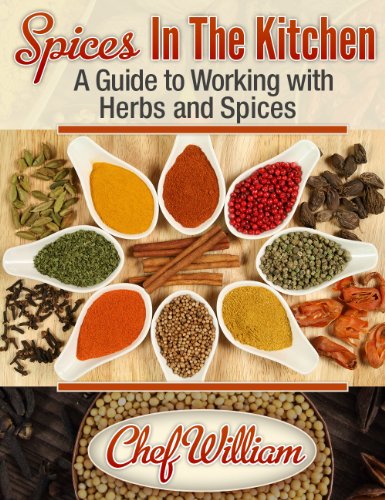
Spices In The Kitchen

Using Spices in the kitchen can enhance the flavors of the dish tremendously when used properly. Chef William introduces you to the most popular spices used in the kitchen. He includes a brief history of the spice, as well as how to store and cook with it. Chef William has included recipes to help familiarize you with these spices. One of the secrets of great tasting meals is knowing how to blend and mix spices herb during the cooking process.Chef William shares that with you. Making your own spice rack with only the spices you will use can lead to a whole new dinning experience you don’t want to miss.

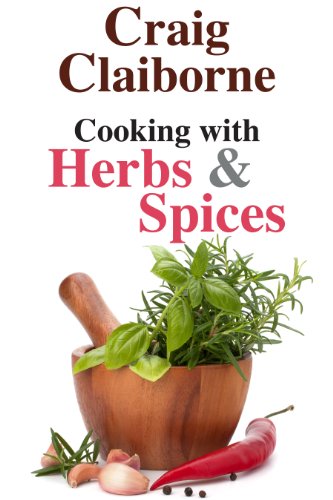
Cooking with Herbs & Spices

Herbs and spices are concentrated sources of flavor that transform bland grains and meat, making these foods more complex and appealing. They tickle the taste buds in our mouth and provide odors and aromas that arouse our nose. In ancient times, they provided the distinctive tastes of many national cuisines—often making them the most desired and costly of ingredients.Proper preparation of herbs and spices is essential to maximizing their effect. Craig Claiborne’s Cooking with Herbs & Spices provides a sampling of the cuisines from around the world, showing how 54 herbs and spices can be used to do everything from adding zest to a soup to transforming a sophisticated dinner recipe.It provides a short set of interesting and pertinent notes about each herb or spice, followed by recipes that rely upon them. It has over 400 original and tempting recipes for every kind of meal or menu, each tested and presented in a clear, step-by-step manner. Its recipes for Cabbage with Capers, Poppy Seed Cake, Tandoori Chicken, and Zucchini-Tomato Casserole have become favorites for many families.Since the second edition, online stores have become available for purchasing spices—examples have been added. References to stores no longer in business have been deleted. The herb and spice descriptions have been updated and corrected in a few instances.Electronic books have no fixed page numbers. However, for the purposes of the index, the page numbers listed correspond to hypertext links that are located at the same locations of the original text. (You can click on an index page link and be taken to that portion of the text.) References to specific recipes within the text also have hypertext links, in particular for the list of recipes by category in the first section of the book. Color pictures have replaced the original black and white illustrations.

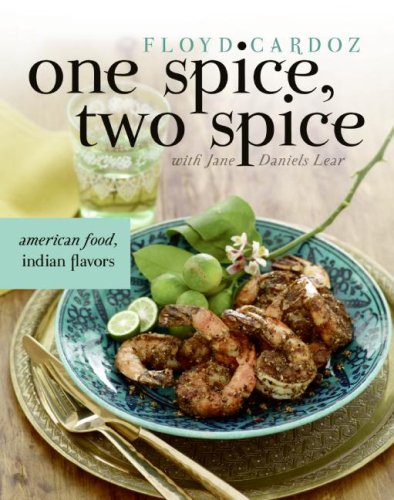
One Spice, Two Spice: American Food, Indian Flavors

Floyd Cardoz, chef and co-owner of New York City’s Tabla restaurant, is one of the most exciting innovators working behind a stove today. And now, for the first time, he shares the extraordinary recipes that have established his reputation. In them Cardoz is able to make the quantum leap between the American palate and his taste memories—the food of his childhood in Bombay and Goa. The collection, One Spice, Two Spice, is an amalgam of two cuisines by a man who has mastered the flavors of each.This volume of more than 140 recipes is a gift to all home cooks who enjoy the flavors of India but are intimidated by the unusual and numerous spices required to prepare these dishes. Here, Cardoz renders those spices user friendly in a down-to-earth primer and glossary. Then, in the recipe notes, he shows you how to easily integrate these new flavors into everyday meals and dinner-party fare. The techniques—sautéing, panfrying, braising, poaching, and roasting—are not new. The results, however, are astonishing.Imagine crisp panfried black pepper shrimp, meaty sea scallops seared and served in a satiny sweet-sour glaze, asparagus and morels sautéed in a spicy blend of shallot, ginger, and chile—all of which can be made in no time flat. Other recipes—steak rubbed with crushed peppercorns and coriander, cumin, and mustard seeds, duck bathed in an aromatic orange curry, lamb meatballs filled with an herbaceous combination of fresh figs, cilantro, and mint and then napped with a lush, lustrous green sauce—may require more marinating or cooking time, but the trade-off is Cardoz’s three-star-restaurant cooking at home. One Spice, Two Spice is more than a cookbook. It is a gateway to a different way of thinking about the food on your plate, and it brings Indian flavors into the modern American repetoire.

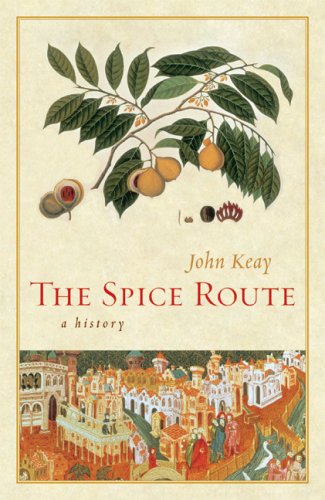
The Spice Route: A History (California Studies in Food and Culture)

The Spice Route is one of history’s greatest anomalies: shrouded in mystery, it existed long before anyone knew of its extent or configuration. Spices came from lands unseen, possibly uninhabitable, and almost by definition unattainable; that was what made them so desirable. Yet more livelihoods depended on this pungent traffic, more nations participated in it, more wars were fought for it, and more discoveries resulted from it than from any other global exchange. Epic in scope, marvelously detailed, laced with drama, The Spice Route spans three millennia and circles the world to chronicle the history of the spice trade. With the aid of ancient geographies, travelers’ accounts, mariners’ handbooks, and ships’ logs, John Keay tells of ancient Egyptians who pioneered maritime trade to fetch the incense of Arabia, Graeco-Roman navigators who found their way to India for pepper and ginger, Columbus who sailed west for spices, de Gama, who sailed east for them, and Magellan, who sailed across the Pacific on the exact same quest. A veritable spice race evolved as the west vied for control of the spice-producing islands, stripping them of their innocence and the spice trade of its mystique. This enthralling saga, progressing from the voyages of the ancients to the blue-water trade that came to prevail by the seventeenth century, transports us from the dawn of history to the ends of the earth.

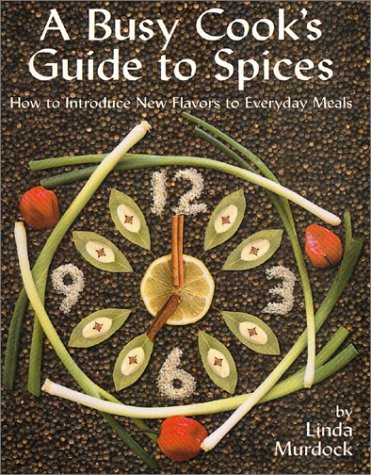
A Busy Cook’s Guide to Spices: How to Introduce New Flavors to Everyday Meals

Turn your 10-12 standard meals into 50 new taste sensations by introducing new spices! No one cooks by spice, yet all the spice books are organized that way. This book gives details on 100 spices, but also lists all the main foods we eat. Under each food, such as corn, ham, rice, etc. is a list of spices that go with that food followed by recipes to cook using that main ingredient. All this is on the same page. It is practical, user-friendly and arranged according to how we really cook.

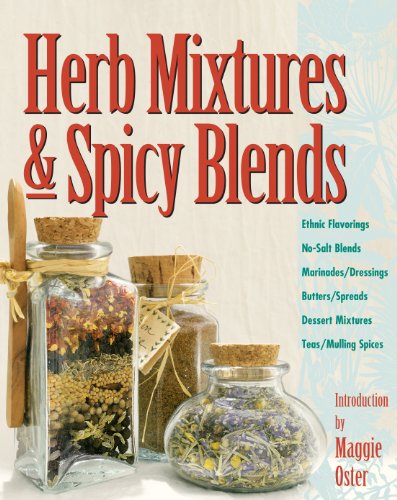
Herb Mixtures & Spicy Blends: Ethnic Flavorings, No-Salt Blends, Marinades/Dressings, Butters/Spreads, Dessert Mixtures, Teas/Mulling Spices

Cooks either buy them or grow them, but herbs have become essential ingredients in the average kitchen. Herbal entrepreneurs actively engaged in aspects of growing, selling, teaching, or writing have contributed recipes to this compendium featuring tasty mixtures aimed at enhancing everything from appetizers to entrees. Blends to flavor cheese spreads and potato dishes are followed by spicy combinations for pastas, soups, vegetables, and main dishes of meat, fish, or poultry. Ethnic fare and blended herbs for assorted teas complete the offerings. Of particular interest are the brief introductions to individual herbalists. 

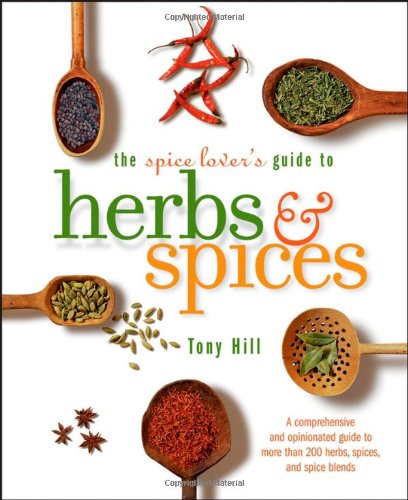
The Spice Lover’s Guide to Herbs and Spices

IACP Cookbook Award FinalistNobody knows herbs and spices like Tony Hill, owner of Seattle’s famed World Merchants Spice, Herb & Teahouse. Now, in this acclaimed book, Hill gives us a comprehensive guide to these essential flavorings based on his travels around the globe. Blending culinary history, the lore of the spice routes, and his own inimitable tasting notes, he profiles more than 125 herbs and spices, ranging from the familiar to the exotic. He gives practical information and advice, including how best to use nine popular chiles, what distinguishes true cinnamon from cassia cinnamon, and why it makes a difference where your bay leaf comes from—plus more than 75 delicious recipes for distinctively spiced dishes. To top it all off, Hill reveals the secret recipes for 85 of his signature herb and spice blends, including barbecue rubs, mulling spices, chili powders, chai mixes, and curry powders. Complete with 185 color photographs, The Spice Lover’s Guide to Herbs & Spices is an indispensable culinary reference that is both a pleasure to cook with and enjoyable to read.”Hill . . . is way ahead of cookbook authors who cling to parsley in a cilantro world. . . . This is the book for anyone who has been lucky enough to find grains of paradise or Aleppo pepper and wonders where to go from there.”—Regina Schrambling, Los Angeles Times”Even those who never cook may find themselves often dipping into this intriguing read.”—CeCe Sullivan, The Seattle Times

The Taste of Conquest: The Rise and Fall of the Three Great Cities of Spice

The Taste of Conquest offers up a riveting, globe-trotting tale of unquenchable desire, fanatical religion, raw greed, fickle fashion, and mouthwatering cuisine–in short, the very stuff of which our world is made. In this engaging, enlightening, and anecdote-filled history, Michael Krondl, a noted chef turned writer and food historian, tells the story of three legendary cities–Venice, Lisbon, and Amsterdam–and how their single-minded pursuit of spice helped to make (and remake) the Western diet and set in motion the first great wave of globalization. Sharing meals and stories with Indian pepper planters, Portuguese sailors, and Venetian foodies, Krondl takes every opportunity to explore the world of long ago and sample its many flavors. Along the way, he reveals that the taste for spice of a few wealthy Europeans led to great crusades, astonishing feats of bravery, and even wholesale slaughter.As stimulating as it is pleasurable, and filled with surprising insights, The Taste of Conquest offers a compelling perspective on how, in search of a tastier dish, the world has been transformed.Praise for The Taste of Conquest“An altogether rich, perfectly seasoned slice of world history.”–The Boston Globe“As a chef I have always been deeply intrigued by the mystique of spices. Michael Krondl’s book awakens and transports the reader into this mysterious world, showing us how our lives and history have been transformed by the sensuous odors of cardamom, nutmeg, and turmeric.”–Gray Kunz, chef and owner of Café Gray and Grayz, co-author of The Elements of Taste“Fascinating . . . spicy reading for food and history lovers alike.”–Associated Press“A delicious treat.”–The Vancouver Sun“Witty and erudite.”–Financial Post“Enticing.”–Chicago Tribune

The Complete Book of Spices: A Practical Guide to Spices and Aromatic Seeds

Winner of the 1991 International Association of Cooking Professionals award, this book presents an A to Z guide to familiar and exotic spices. Each spice is shown in its various guises with information on its origins and history; its cultivation; its aroma and flavor; and its culinary and other uses. Full-color photos throughout.

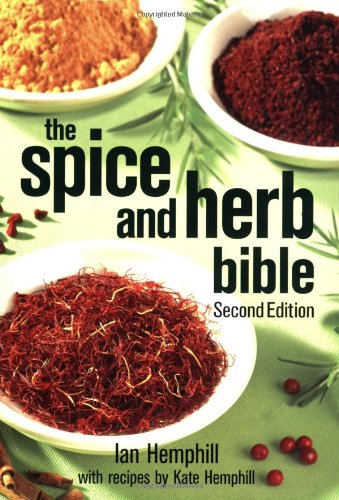
The Spice and Herb Bible

The classic reference – expanded and in full color. Professional chefs and home cooks use spices and herbs to enhance food flavors and to create new taste combinations and sensations. From vanilla beans to cinnamon, from cumin to tarragon, no kitchen is complete without spices and herbs. The second edition of this classic reference is significantly expanded, with four new spices and herbs as well as 25 additional blends. The book is now printed in full color and features color photography throughout. Every herb and spice has a handsome and detailed color photograph to make identification and purchasing a breeze. The book includes fascinating and authoritative histories of a wide range of global herbs and spices such as angelica, basil, candle nut, chervil, elder, fennel, grains of paradise, licorice root, saffron, tamarind, Vietnamese mint and zedoary. The Spice and Herb Bible, Second Edition, includes 100 spices and herbs and 50 spice-blend recipes. It is an essential resource for any well-equipped kitchen.

Spice: The History of a Temptation

A brilliant, original history of the spice trade—and the appetites that fueled it. It was in search of the fabled Spice Islands and their cloves that Magellan charted the first circumnavigation of the globe. Vasco da Gama sailed the dangerous waters around Africa to India on a quest for Christians—and spices. Columbus sought gold and pepper but found the New World. By the time these fifteenth- and sixteenth-century explorers set sail, the aromas of these savory, seductive seeds and powders had tempted the palates and imaginations of Europe for centuries. Spice: The History of a Temptation is a history of the spice trade told not in the conventional narrative of politics and economics, nor of conquest and colonization, but through the intimate human impulses that inspired and drove it. Here is an exploration of the centuries-old desire for spice in food, in medicine, in magic, in religion, and in sex—and of the allure of forbidden fruit lingering in the scents of cinnamon, pepper, ginger, nutmeg, mace, and clove. We follow spices back through time, through history, myth, archaeology, and literature. We see spices in all their diversity, lauded as love potions and aphrodisiacs, as panaceas and defenses against the plague. We journey from religious rituals in which spices were employed to dispel demons and summon gods to prodigies of gluttony both fantastical and real. We see spices as a luxury for a medieval king’s ostentation, as a mummy’s deodorant, as the last word in haute cuisine. Through examining the temptations of spice we follow in the trails of the spice seekers leading from the deserts of ancient Syria to thrill-seekers on the Internet. We discover how spice became one of the first and most enduring links between Asia and Europe. We see in the pepper we use so casually the relic of a tradition linking us to the appetites of Rome, Elizabethan England, and the pharaohs. And we capture the pleasure of spice not only at the table but in every part of life. Spice is a delight to be savored.From the Hardcover edition.